Muscle Guide
Explore muscle groups and exercises by body part
13Body Regions
85Muscles
Body Regions(13)
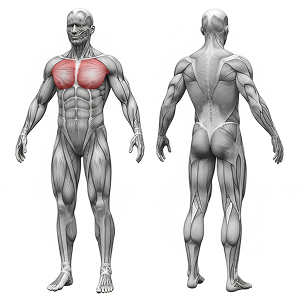
Chest
pecs, chest muscles, upper body pushing
6 muscles
Major pushing muscles that support shoulder stability and upper-body power.
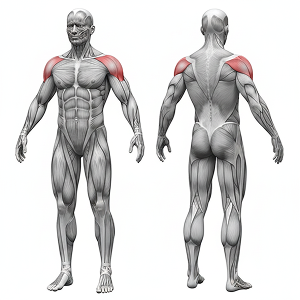
Shoulders
delts, shoulder muscles
9 muscles
Muscles responsible for lifting, rotating, and stabilizing the arms.
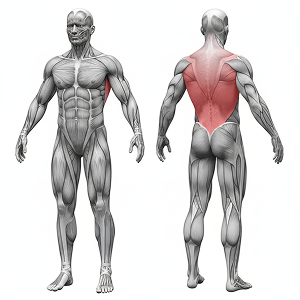
Back
back muscles, upper back, lats region
11 muscles
Pulling strength, posture support, and spinal stability muscles.
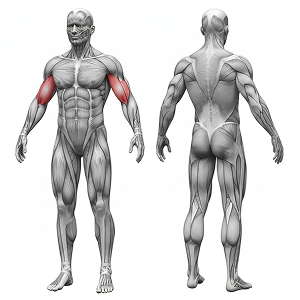
Biceps
bis, biceps muscles
6 muscles
Front upper-arm muscles responsible for elbow flexion and pulling.
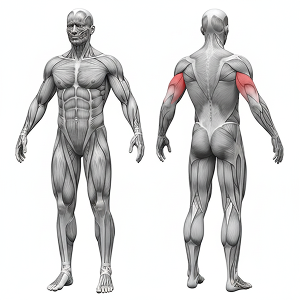
Triceps
tris, triceps muscles
5 muscles
Back upper-arm muscles responsible for elbow extension and pressing power.
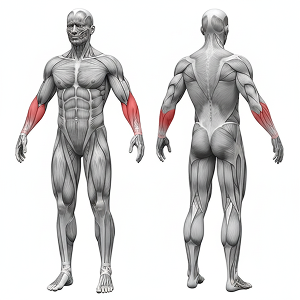
Forearms
forearm muscles, grip muscles
9 muscles
Muscles that control grip strength, wrist motion, and arm stability.
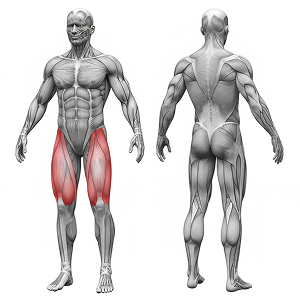
Quadriceps
quads, upper leg front
6 muscles
Front thigh muscles responsible for knee extension and leg power.
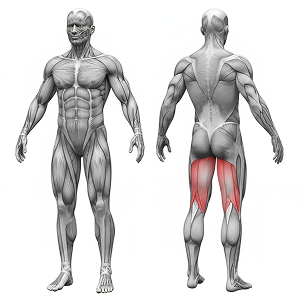
Hamstrings
hams, posterior thigh
4 muscles
Rear thigh muscles for knee flexion, hip extension, and athletic power.
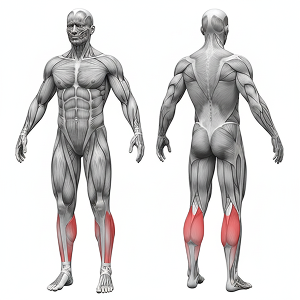
Calves
calf muscles, lower leg
7 muscles
Muscles supporting ankle motion, jumping, and lower-leg stability.
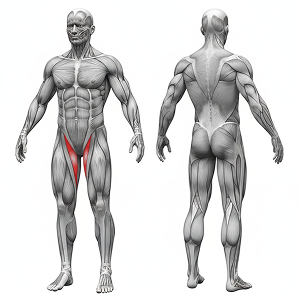
Adductors
inner thigh, groin muscles
6 muscles
Inner thigh muscles stabilizing the pelvis and controlling leg movement.
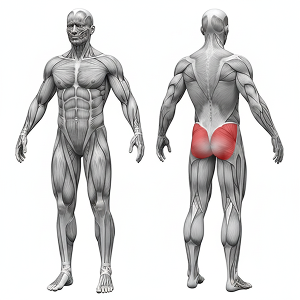
Glutes
glutes, butt muscles
5 muscles
Hip extension, rotation, and lower-body stability muscles.
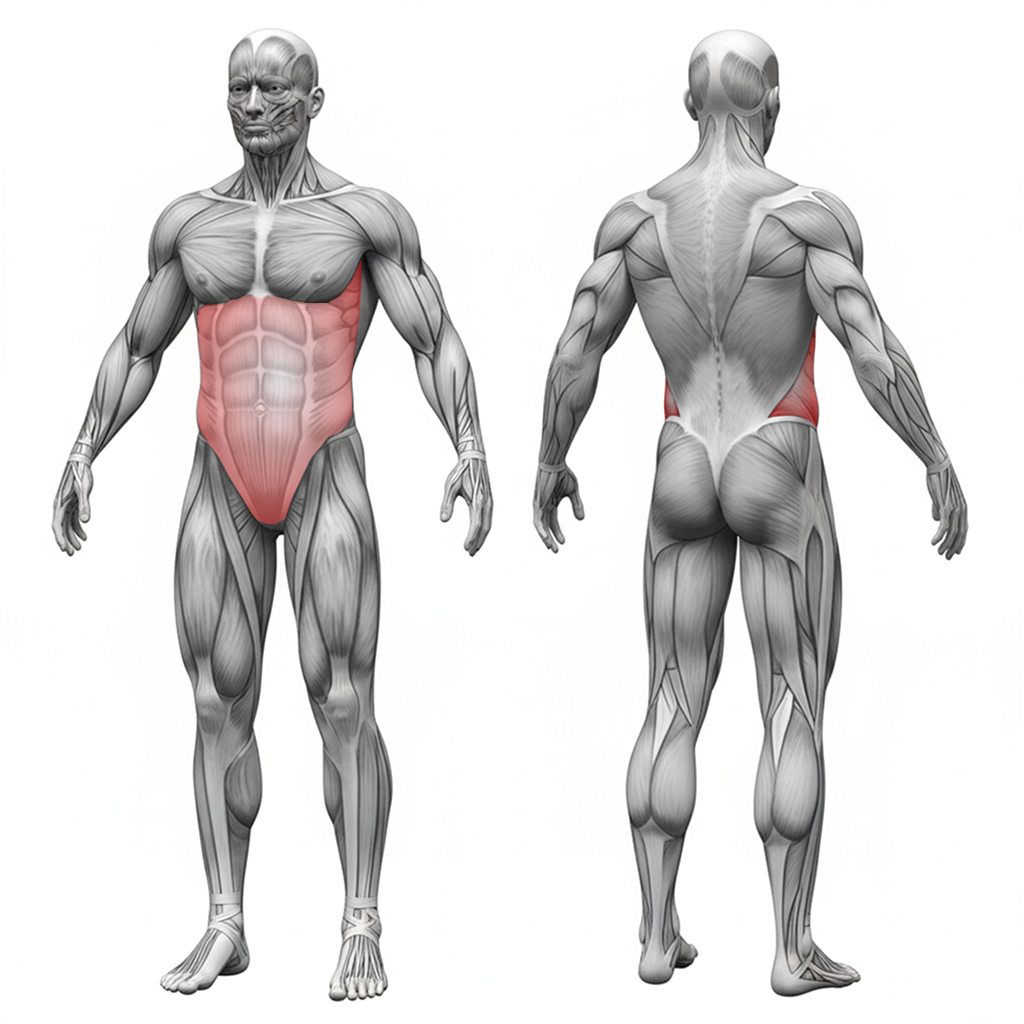
Abs
abs, abdominals, six-pack
10 muscles
Abdominal muscles responsible for trunk flexion, rotation, and core stability.
Neck
neck muscles, cervical muscles
1 muscle
Muscles responsible for head movement, rotation, and neck stability.
Muscles List(85)
Pectoralis Major
Chest
Individual Muscle
A large primary chest muscle responsible for pressing and bringing the arms toward the midline. Essential for upper-body pushing strength and shoulder stability.
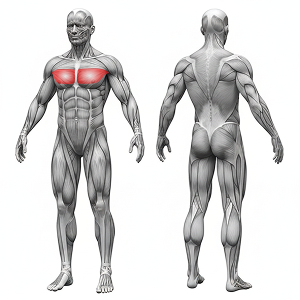
Upper Pectoralis Major
ChestPectoralis Major
Muscle Region
Upper fibers of the pectoralis major used in incline pressing, contributing to upper-chest shape and shoulder stability.
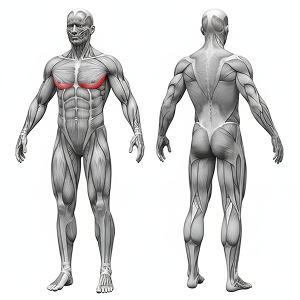
Middle Pectoralis Major
ChestPectoralis Major
Muscle Region
Central chest fibers responsible for strong horizontal pressing and overall chest thickness.
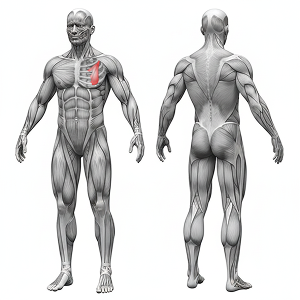
Lower Pectoralis Major
ChestPectoralis Major
Muscle Region
Lower portion of the chest assisting in decline pressing and contributing to lower-chest definition.
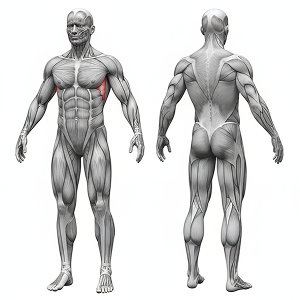
Pectoralis Minor
Chest
Individual Muscle
A deep chest muscle that stabilizes and moves the scapula, supporting proper shoulder mechanics.
Serratus Anterior
Chest
Individual Muscle
Muscles along the rib cage that stabilize the scapula during pushing and overhead movements. Important for preventing winged scapula.
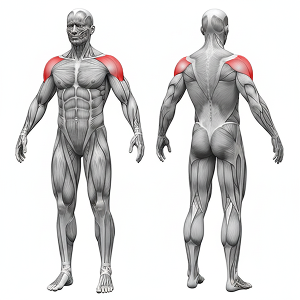
Deltoid
Shoulders
Muscle Group
A three-headed shoulder muscle responsible for arm elevation, rotation, and shoulder stabilization.
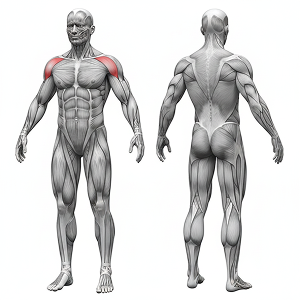
Anterior Deltoid
ShouldersDeltoid
Individual Muscle
Front head of the deltoid responsible for raising the arm forward and assisting pressing movements.
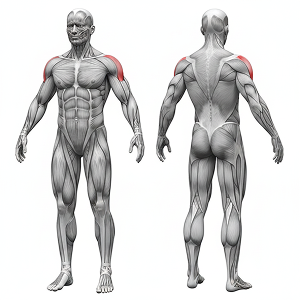
Lateral Deltoid
ShouldersDeltoid
Individual Muscle
Middle portion of the deltoid responsible for arm abduction and shoulder width.
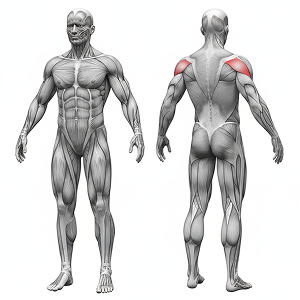
Posterior Deltoid
ShouldersDeltoid
Individual Muscle
Rear head of the deltoid assisting in pulling, external rotation, and horizontal abduction.
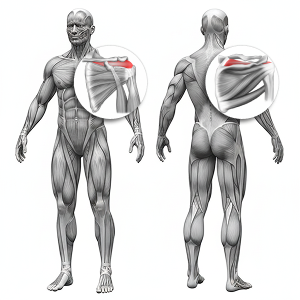
Supraspinatus
Shoulders
Individual Muscle
A rotator cuff muscle that initiates arm abduction and stabilizes the shoulder joint.
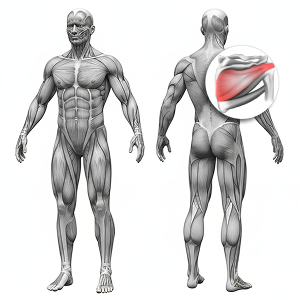
Infraspinatus
Shoulders
Individual Muscle
A key rotator cuff muscle responsible for external shoulder rotation and joint stability.
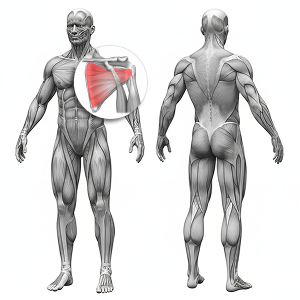
Subscapularis
Shoulders
Individual Muscle
A deep rotator cuff muscle that supports internal rotation and stabilizes the shoulder joint.
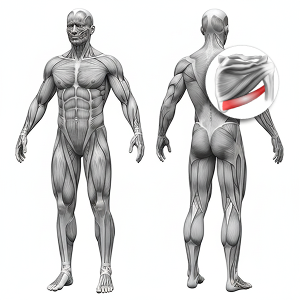
Teres Major
Shoulders
Individual Muscle
A pulling muscle assisting in shoulder extension, adduction, and internal rotation.
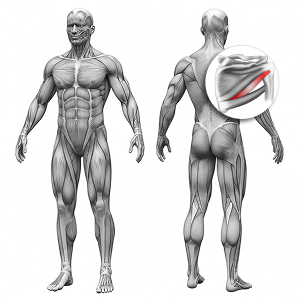
Teres Minor
Shoulders
Individual Muscle
A rotator cuff muscle aiding in external rotation and stabilizing the shoulder.
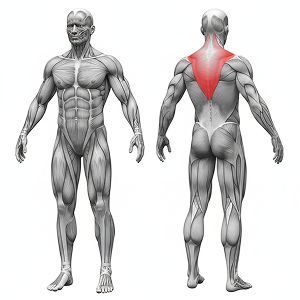
Trapezius
Back
Muscle Group
A large upper-back muscle responsible for elevating, retracting, and rotating the scapula.
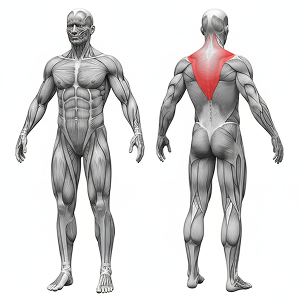
Upper Back
Back
Muscle Region
Muscles involved in scapular retraction, posture, and pulling strength.
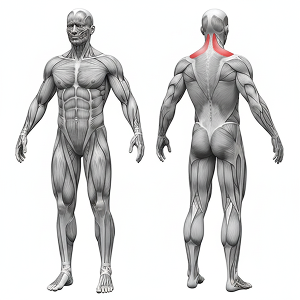
Upper Trapezius
BackTrapezius
Muscle Region
Top portion of the trapezius that elevates the shoulders and assists neck stability.
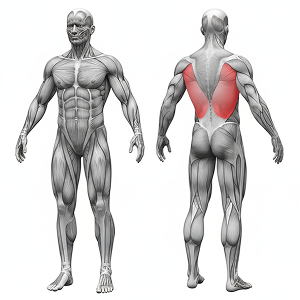
Middle Back
Back
Muscle Region
Muscles controlling scapular movement and rowing power.
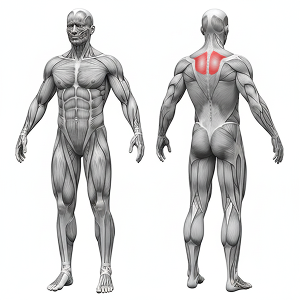
Middle Trapezius
BackTrapezius
Muscle Region
Responsible for scapular retraction and upper-back posture.
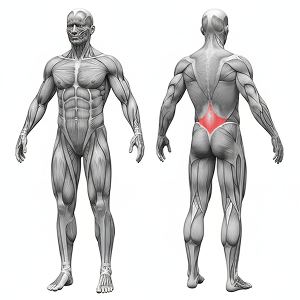
Lower Back
Back
Muscle Region
Muscles supporting lumbar stability and hip hinge mechanics.
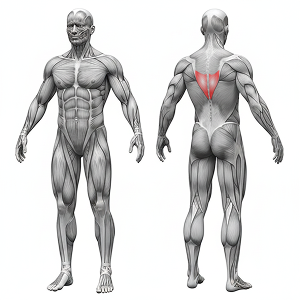
Lower Trapezius
BackTrapezius
Muscle Region
Supports scapular depression and overhead stability.
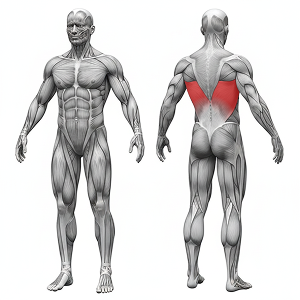
Latissimus Dorsi
Back
Individual Muscle
Major pulling muscle used in rows, pull-downs, and pull-ups. Essential for back width.
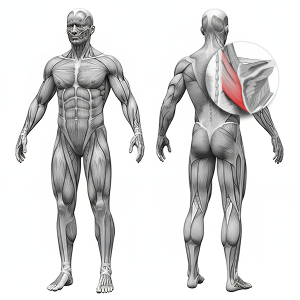
Rhomboids
Back
Individual Muscle
Muscles that retract and stabilize the scapula.
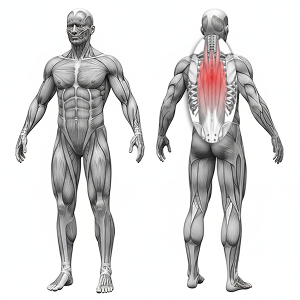
Erector Spinae
Back
Individual Muscle
Deep spinal muscles responsible for posture and spinal extension.
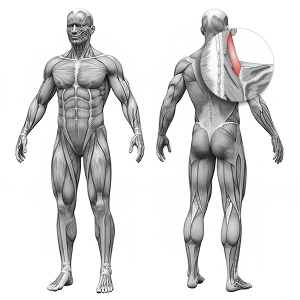
Levator Scapulae
Back
Individual Muscle
Muscle that elevates the scapula and assists neck movement.
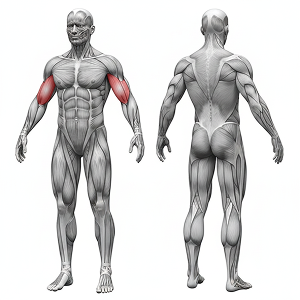
Biceps Brachii
Biceps
Muscle Group
A two-headed muscle responsible for elbow flexion, forearm rotation, and supporting pulling strength.
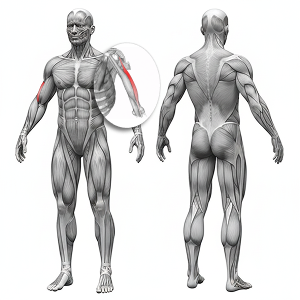
Biceps Brachii Long Head
BicepsBiceps Brachii
Individual Muscle
The outer portion of the biceps contributing to arm width, curl strength, and shoulder stability.
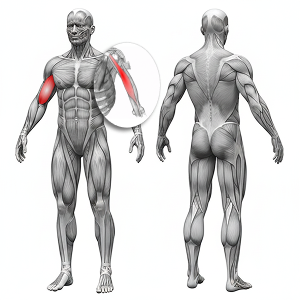
Biceps Brachii Short Head
BicepsBiceps Brachii
Individual Muscle
The inner portion of the biceps that enhances arm peak and supports elbow flexion.
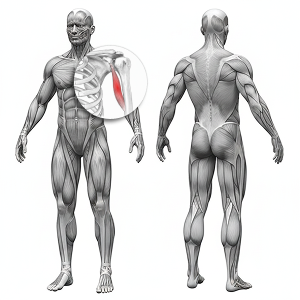
Coracobrachialis
Biceps
Individual Muscle
A small upper-arm muscle contributing to shoulder flexion and adduction. Assists the biceps during pulling.
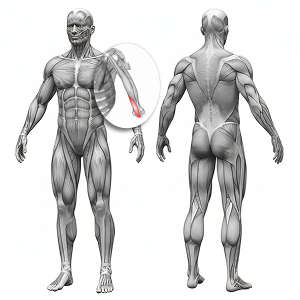
Brachialis
Biceps
Individual Muscle
A deep elbow flexor beneath the biceps that plays a major role in pure elbow flexion.
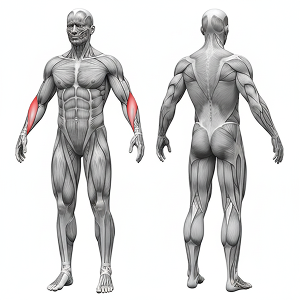
Brachioradialis
Biceps
Individual Muscle
A forearm muscle assisting elbow flexion, especially in neutral or hammer grip positions.
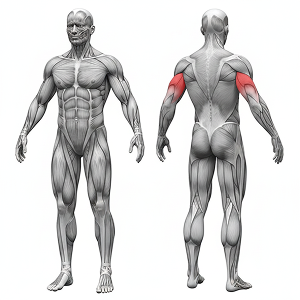
Triceps Brachii
Triceps
Muscle Group
A powerful three-headed muscle responsible for elbow extension and pressing performance.
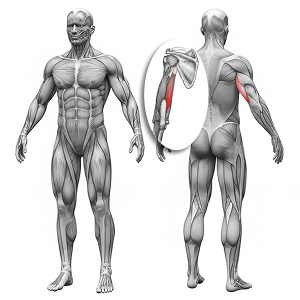
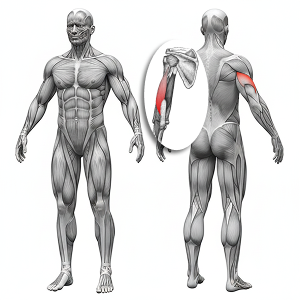
Triceps Long Head
TricepsTriceps Brachii
Individual Muscle
The largest head of the triceps, contributing to arm size, shoulder extension, and pressing power.
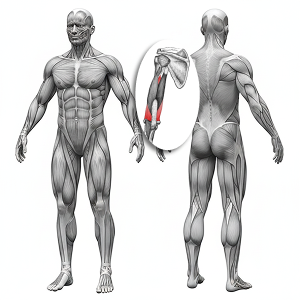
Triceps Lateral Head
TricepsTriceps Brachii
Individual Muscle
The outer triceps head responsible for strong pressing force and the horseshoe shape.
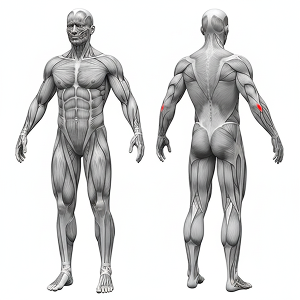
Triceps Medial Head
TricepsTriceps Brachii
Individual Muscle
A deep head of the triceps activated during all elbow extension movements.
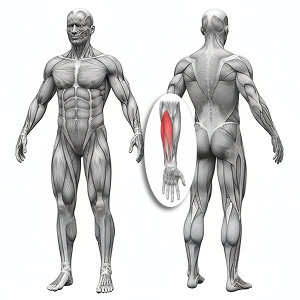
Anconeus
Triceps
Individual Muscle
A small stabilizing muscle assisting the triceps during elbow extension.
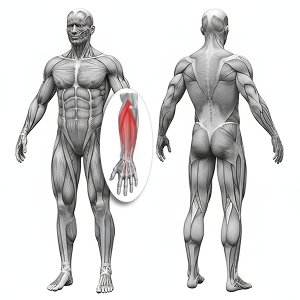
Forearm Flexors
Forearms
Individual Muscle
Muscles on the palm side of the forearm responsible for wrist flexion and gripping.
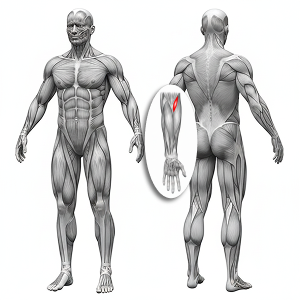
Forearm Extensors
Forearms
Individual Muscle
Muscles on the back side of the forearm responsible for wrist extension and grip stability.
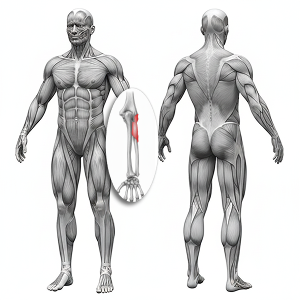
Pronator Teres
Forearms
Individual Muscle
A forearm muscle that pronates the forearm and assists elbow flexion.
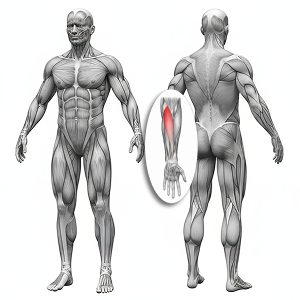
Supinator
Forearms
Individual Muscle
A forearm muscle that supinates the forearm (turns the palm upward).
Flexor Carpi Radialis
Forearms
Individual Muscle
Flexes the wrist and assists radial deviation; involved in gripping.
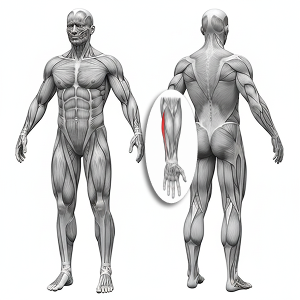
Flexor Carpi Ulnaris
Forearms
Individual Muscle
Flexes the wrist and assists ulnar deviation; supports grip strength.
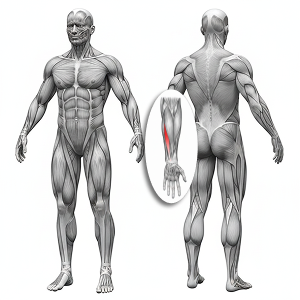
Palmaris Longus
Forearms
Individual Muscle
A forearm muscle that assists wrist flexion and tenses the palmar fascia.
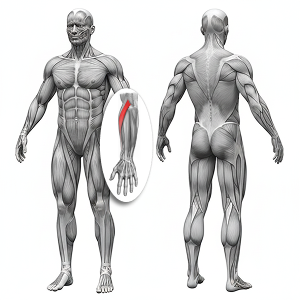
Extensor Carpi Radialis Longus
Forearms
Individual Muscle
Extends the wrist and assists radial deviation; helps stabilize the wrist during grip.
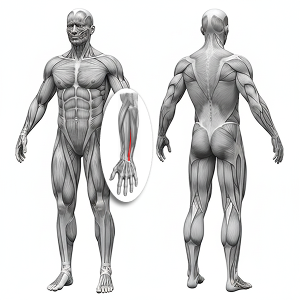
Extensor Carpi Ulnaris
Forearms
Individual Muscle
Extends the wrist and assists ulnar deviation; supports wrist stability.
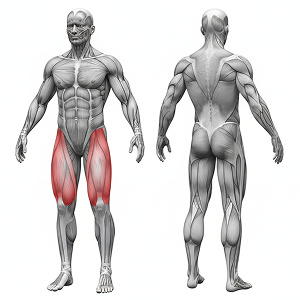
Quadriceps
Quadriceps
Muscle Group
A muscle group on the front of the thigh responsible for knee extension and leg drive.
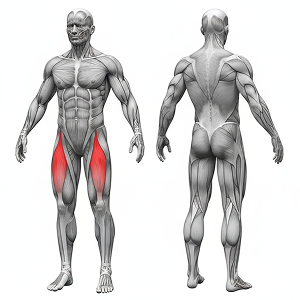
Rectus Femoris
Quadriceps
Individual Muscle
A quadriceps muscle contributing to knee extension and hip flexion.
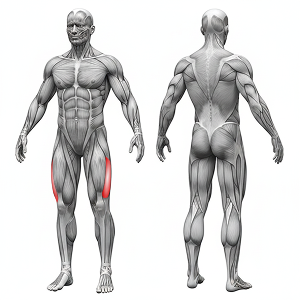
Vastus Lateralis
Quadriceps
Individual Muscle
The largest quadriceps muscle located on the outer thigh.
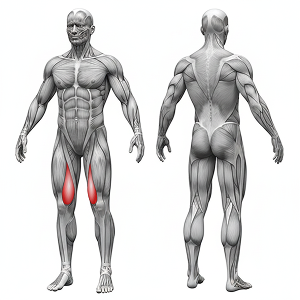
Vastus Medialis
Quadriceps
Individual Muscle
A medial quadriceps muscle important for knee stabilization.
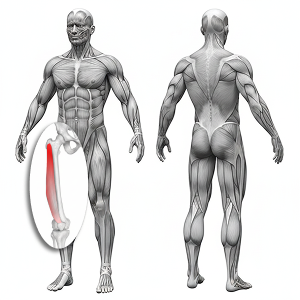
Vastus Intermedius
Quadriceps
Individual Muscle
A deep quadriceps muscle beneath the rectus femoris.
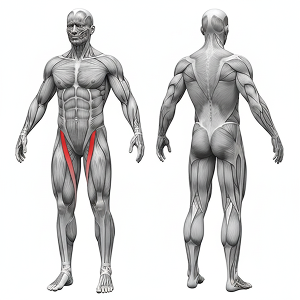
Sartorius
Quadriceps
Individual Muscle
A long thigh muscle assisting hip flexion, abduction, and knee flexion.
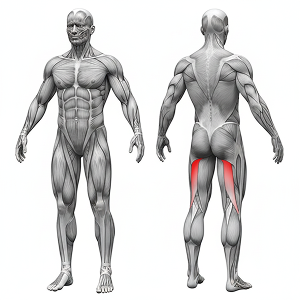
Biceps Femoris
Hamstrings
Individual Muscle
The outer hamstring muscle contributing to hip extension and knee flexion.
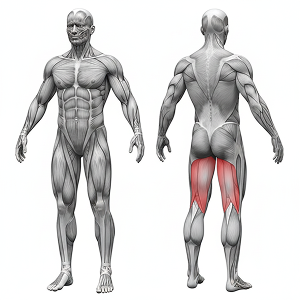
Hamstrings
Hamstrings
Muscle Group
A muscle group on the back of the thigh responsible for knee flexion and hip extension.
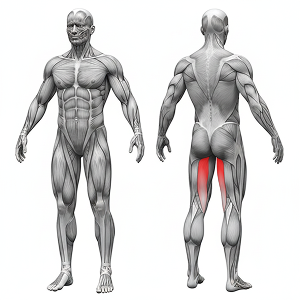
Semitendinosus
Hamstrings
Individual Muscle
A medial hamstring assisting hip extension and knee flexion.
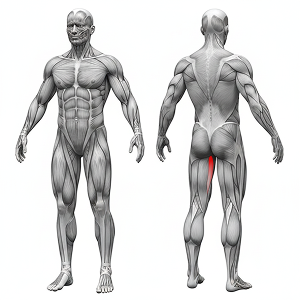
Semimembranosus
Hamstrings
Individual Muscle
A deep medial hamstring supporting powerful hip extension and knee flexion.
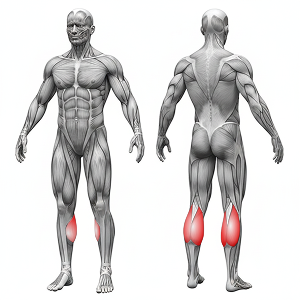
Gastrocnemius
Calves
Individual Muscle
The major calf muscle responsible for explosive plantarflexion during running and jumping.
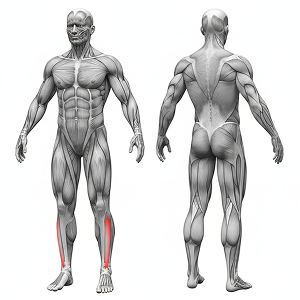
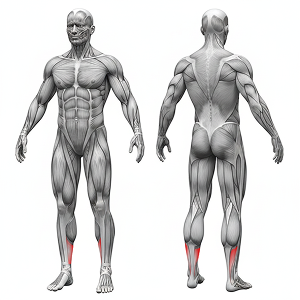
Tibialis Anterior
Calves
Individual Muscle
A lower-leg muscle responsible for ankle dorsiflexion and foot control.
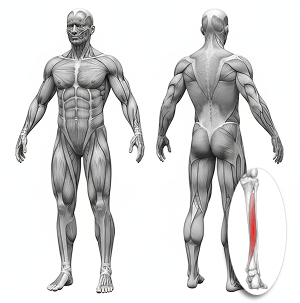
Soleus
Calves
Individual Muscle
A deep calf muscle providing endurance, posture, and balance stability.
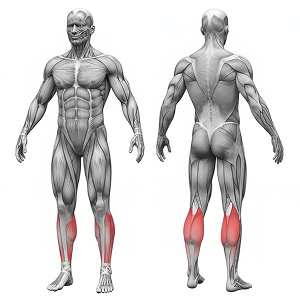
Tibialis Posterior
Calves
Individual Muscle
A deep lower-leg muscle supporting the arch and controlling foot inversion.
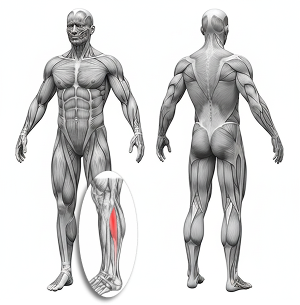
Calves
Calves
Muscle Group
A lower-leg muscle group supporting ankle movement, jumping, and gait stability.
Fibularis Longus
Calves
Individual Muscle
A lateral lower-leg muscle aiding eversion and plantarflexion; supports ankle stability.
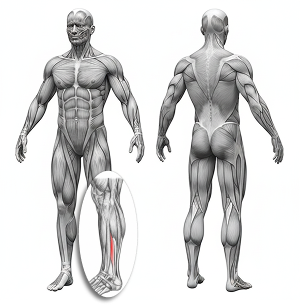
Fibularis Brevis
Calves
Individual Muscle
A lateral lower-leg muscle aiding eversion and ankle stability.
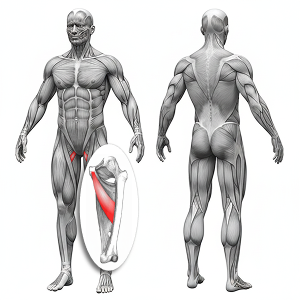
Adductor Longus
Adductors
Individual Muscle
A long inner-thigh muscle supporting hip adduction and pelvic stability.
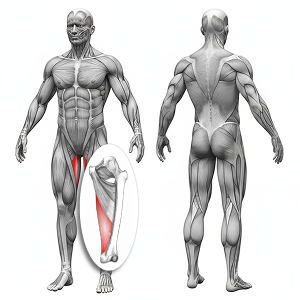
Adductor Magnus
Adductors
Individual Muscle
The largest and strongest adductor muscle responsible for hip adduction and stability.
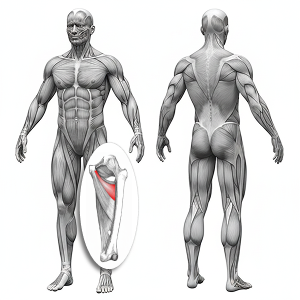
Adductor Brevis
Adductors
Individual Muscle
A short inner-thigh muscle assisting hip adduction.
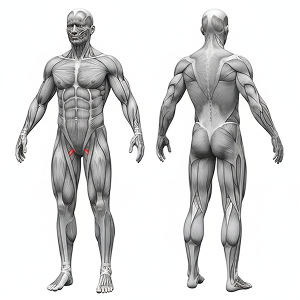
Pectineus
Adductors
Individual Muscle
A high inner-thigh muscle assisting hip flexion and adduction.
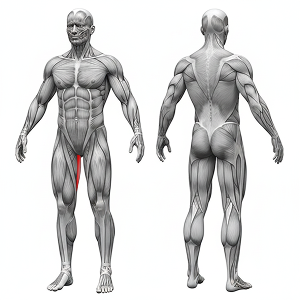
Gracilis
Adductors
Individual Muscle
A long, thin inner-thigh muscle supporting hip adduction and knee flexion.
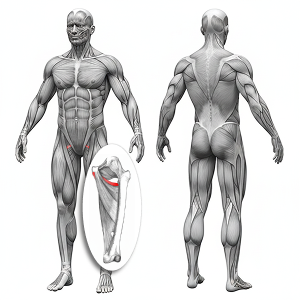
Adductor Minimus
Adductors
Individual Muscle
A small inner-thigh adductor assisting hip adduction and pelvic stability.
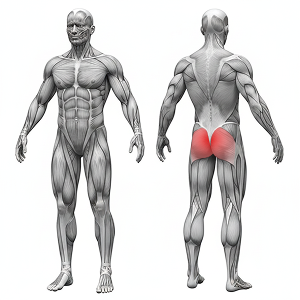
Gluteus Maximus
Glutes
Individual Muscle
The largest glute muscle responsible for hip extension, sprinting, and lifting power.
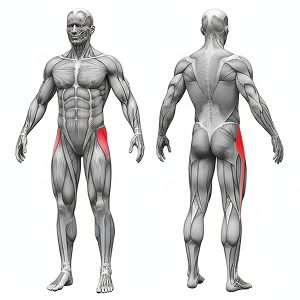
Tensor Fasciae Latae
Glutes
Individual Muscle
A hip muscle assisting in abduction, internal rotation, and pelvic stability. Strongly involved in lower-body alignment.
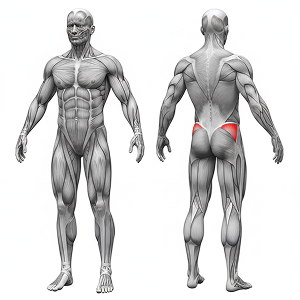
Gluteus Medius
Glutes
Individual Muscle
A lateral hip muscle essential for pelvic stability, balance, and leg abduction.
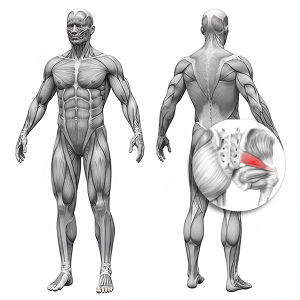
Piriformis
Glutes
Individual Muscle
A deep hip rotator important for external rotation and pelvic stabilization. Often involved in sciatic nerve tension.
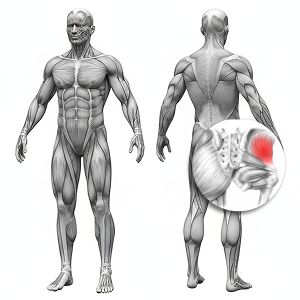
Gluteus Minimus
Glutes
Individual Muscle
The smallest glute muscle supporting hip stability and smooth movement control.
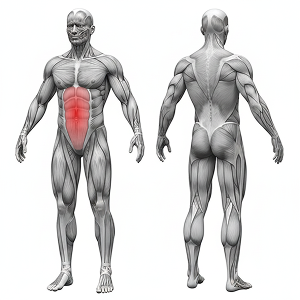
Rectus Abdominis
Abs
Individual Muscle
The primary abdominal muscle responsible for spinal flexion and torso stability.
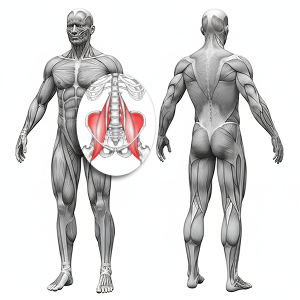
Iliopsoas
Abs
Muscle Group
Primary hip flexor complex that lifts the thigh and stabilizes the pelvis.
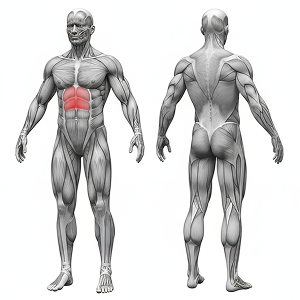
Upper Rectus Abdominis
AbsRectus Abdominis
Muscle Region
The upper portion of the abdominal wall assisting in controlled trunk flexion.
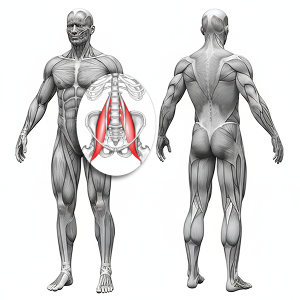
Psoas Major
AbsIliopsoas
Individual Muscle
A major component of the iliopsoas, crucial for hip flexion and lumbar stability.
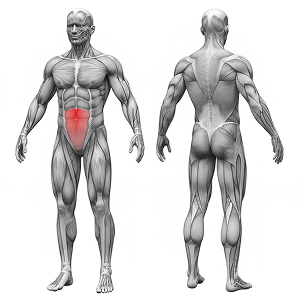
Lower Rectus Abdominis
AbsRectus Abdominis
Muscle Region
The lower abdominal region responsible for pelvic control and leg-raising stability.
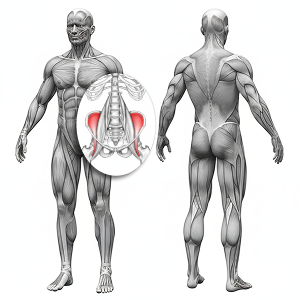
Iliacus
AbsIliopsoas
Individual Muscle
A hip flexor that works with the psoas major to form the iliopsoas.
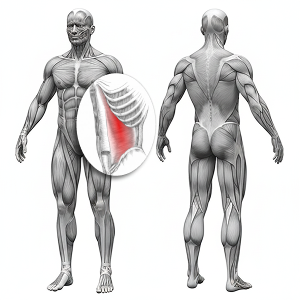
Transverse Abdominis
Abs
Individual Muscle
The deepest core muscle providing abdominal compression and spinal stability.
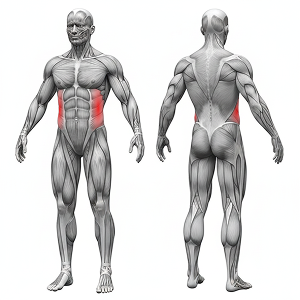
External Oblique
Abs
Individual Muscle
Outer abdominal muscles responsible for trunk rotation, side bending, and core power.
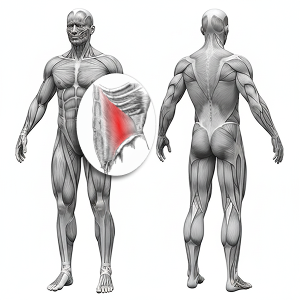
Internal Oblique
Abs
Individual Muscle
A deep abdominal muscle supporting trunk rotation, side bending, and pelvic control.
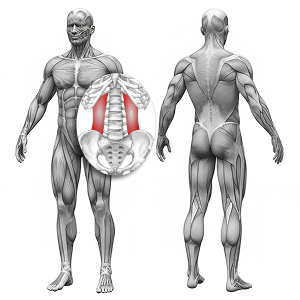
Quadratus Lumborum
Abs
Individual Muscle
A deep core muscle supporting lateral flexion and spinal stability. Essential for posture and lower-back control.
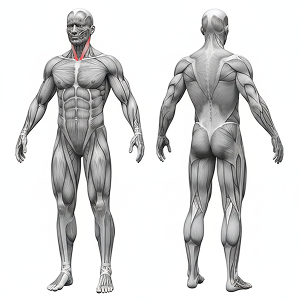
Sternocleidomastoid
Neck
Individual Muscle
A major neck muscle responsible for rotation and flexion of the head. Commonly involved in forward-head posture.