Exercises where Middle Trapezius works as a secondary muscle(22 exercises)
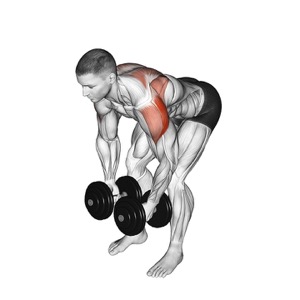
The bent over dumbbell lateral raise isolates the rear delts while recruiting the mid-back to stabilize. Use light-to-moderate loads and strict control to keep tension where it belongs.
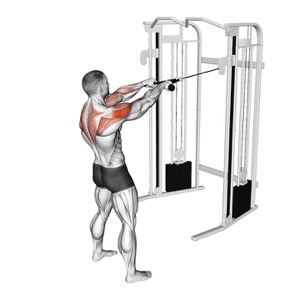
The single arm cable rear delt raise is an isolation exercise that targets the posterior deltoid. The cable provides constant tension and is excellent for rear delt development.
Cable face pulls train the rear delts, external rotators, and upper back. Done correctly, they can support shoulder health and posture by reinforcing strong scapular retraction and upward rotation control.
The single arm bent over cable lateral raise is an isolation exercise that targets the posterior deltoid. The cable provides constant tension and the bent-over position emphasizes the rear delts.
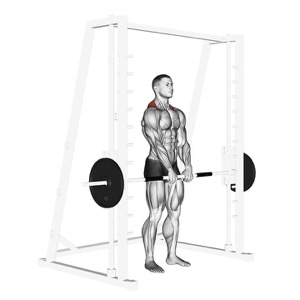
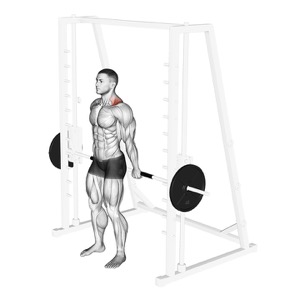
The Smith machine shrug is an isolation exercise that targets the upper trapezius. The fixed bar path provides stability and is excellent for trap development.
This exercise targets upper back and trapezius.
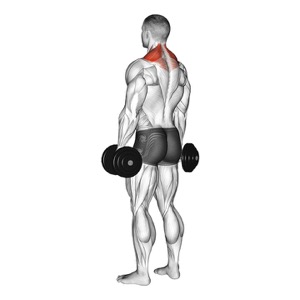
The dumbbell shrug is an isolation exercise that targets the upper trapezius muscles. This movement is excellent for building upper back thickness and trap development.
The seated cable reverse grip row is a compound exercise that targets the mid-back and lats with an underhand grip. This grip variation emphasizes the lower lats and biceps, making it excellent for building back thickness.
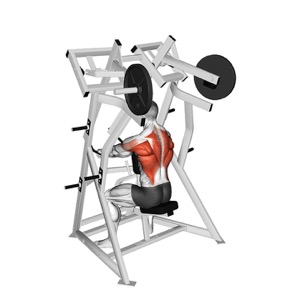
The lever neutral grip row is a compound exercise that targets the mid-back and lats with a neutral grip. The machine provides stability and controlled movement, making it excellent for building back thickness.
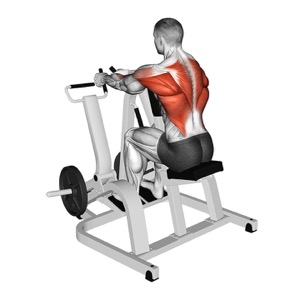
The lever low row is a compound exercise that targets the mid-back and lats with a low pulling angle. The machine provides stability making it excellent for building back thickness.
The reverse grip lat pulldown is a compound exercise that targets the lats and biceps with an underhand grip. This grip variation emphasizes the lower lats and biceps, making it excellent for building back thickness.
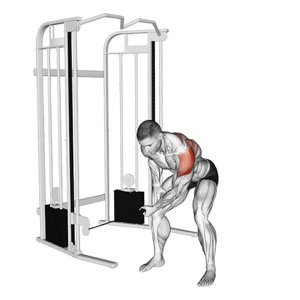
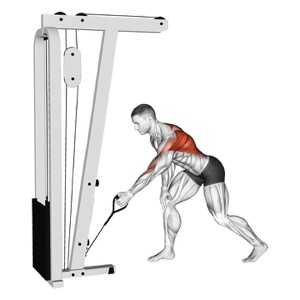
The single arm bent over cable row is a compound exercise that targets the mid-back one side at a time. This unilateral movement helps correct muscle imbalances and provides excellent back development.
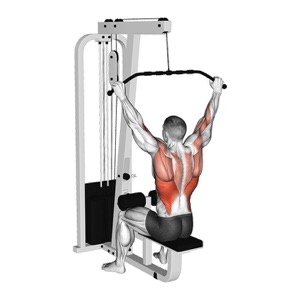
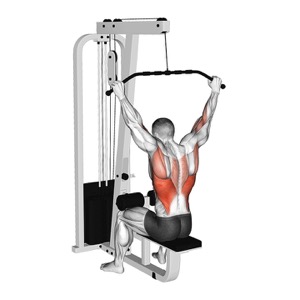
The lat pulldown is a compound exercise that targets the latissimus dorsi along with the biceps and middle back. This exercise is excellent for building back width, improving pulling strength, and developing the V-taper physique.
Behind-the-neck lat pulldowns can emphasize the upper back and lats, but they demand good shoulder mobility and can irritate some shoulders. Use light-to-moderate loads and a conservative range of motion, or choose a front pulldown instead.
The seated single arm cable row is a compound exercise that targets the lats and mid-back with constant cable tension. The unilateral movement corrects imbalances and allows for greater range of motion, making it excellent for back width and thickness.
The seated wide grip cable row is a compound exercise that targets the upper back with a wide grip. This variation emphasizes the upper lats and mid-back, excellent for back width.
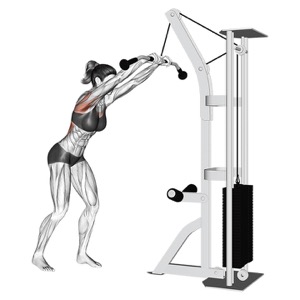
The straight arm lat pulldown is an isolation exercise that targets the lats with straight arms. This movement emphasizes the lats without biceps involvement and is excellent for back development.
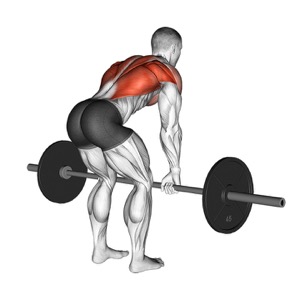
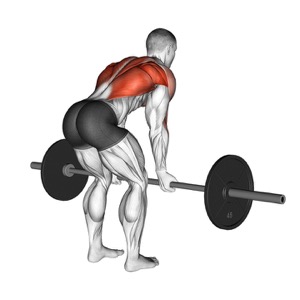
The bent over barbell row is a compound exercise that targets the mid-back, lats, and rhomboids. This rowing movement is excellent for building back thickness, improving posture, and developing overall pulling strength.
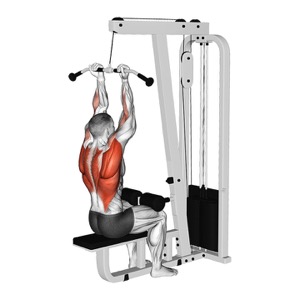
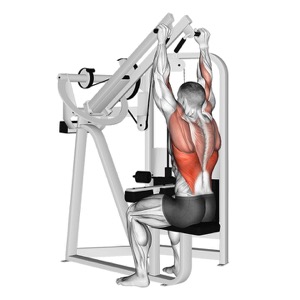
The machine wide grip lat pulldown is a compound exercise that targets the lats with a wide grip. This grip variation emphasizes lat width, making it excellent for building the coveted V-taper back.
This exercise targets mid-back and lats.
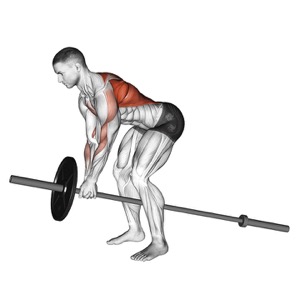
The reverse grip bent over barbell row is a compound exercise that targets the mid-back and lats with an underhand grip. This grip variation emphasizes the lower lats and biceps.
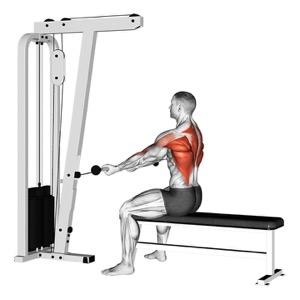
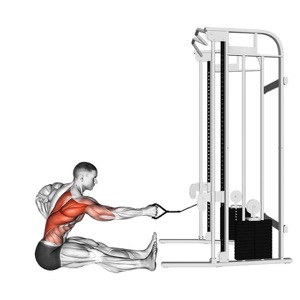
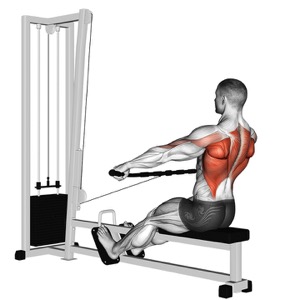
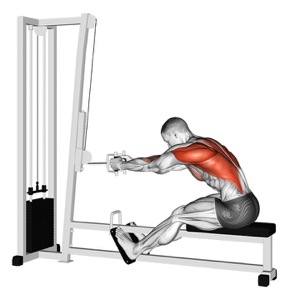
The seated cable row is a compound exercise that targets the lats, mid-back, and rhomboids with constant cable tension. This exercise is excellent for building back thickness, improving posture, and developing overall pulling strength.