3–4 sets × 10–12 reps (60–75% 1RM, RPE 6–8)
4–5 sets × 8–10 reps (65–80% 1RM, RPE 6–8)
2–3 sets × 12–15 reps (50–70% 1RM, RPE 6–7)
Chest stays up
Go to parallel or deeper
Drive through heels
Knees track over toes
Squeeze glutes at top
Control the movement
Not going deep enough
Knees caving inward


3–4 sets × 10–12 reps (60–75% 1RM, RPE 6–8)
4–5 sets × 8–10 reps (65–80% 1RM, RPE 6–8)
2–3 sets × 12–15 reps (50–70% 1RM, RPE 6–7)
Chest stays up
Go to parallel or deeper
Drive through heels
Knees track over toes
Squeeze glutes at top
Control the movement
Not going deep enough
Knees caving inward
Heels lifting off floor
Rounding back
Going too fast
Losing balance
Heels lifting off floor
Rounding back
Going too fast
Losing balance
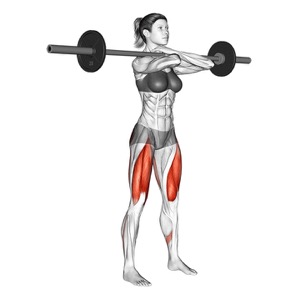
The barbell front squat is a compound exercise that targets the quads with the bar positioned on the front shoulders. This variation emphasizes quad development and requires good mobility, making it excellent for building leg mass.
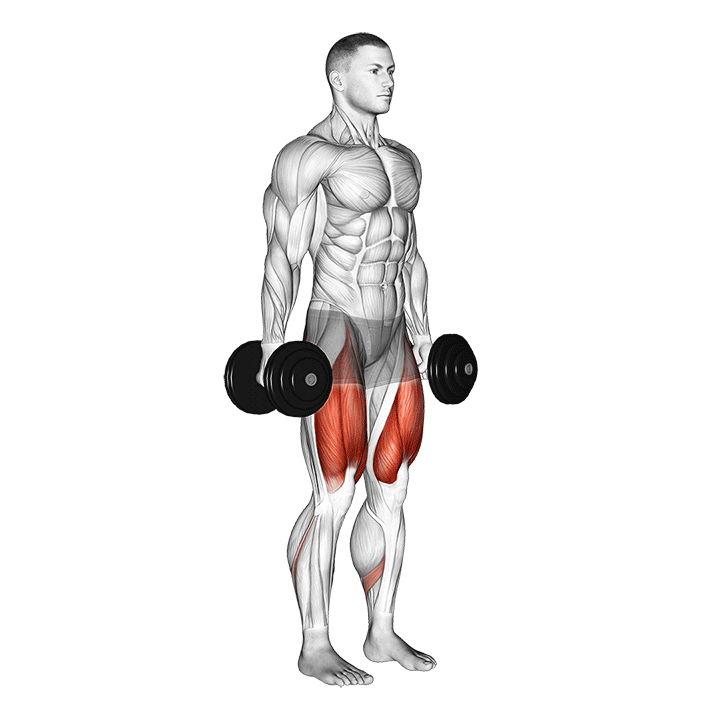
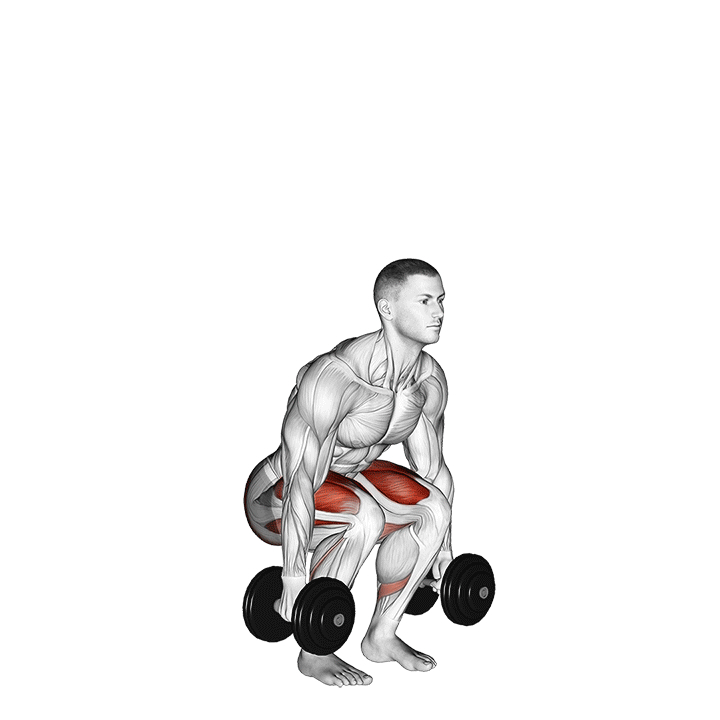
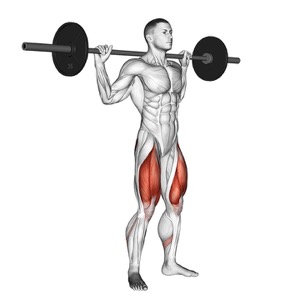
The barbell full squat is a foundational lower-body compound lift that trains the quadriceps, glutes, and adductors with strong core bracing. Full depth is optional—prioritize a pain-free range of motion and a neutral spine.
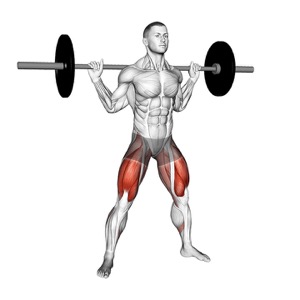
The barbell wide stance squat is a compound exercise that targets the quadriceps, glutes, and hamstrings with special emphasis on the inner thighs (adductors) and glutes due to the wider stance. This variation allows for greater hip mobility and depth while reducing stress on the lower back compared to narrow stance squats.