3–4 sets × 12–15 reps (50–70% 1RM, RPE 6–7)
3–4 sets × 10–12 reps (60–75% 1RM, RPE 6–8)
2–3 sets × 15–20 reps (30–50% 1RM, RPE 5–7)
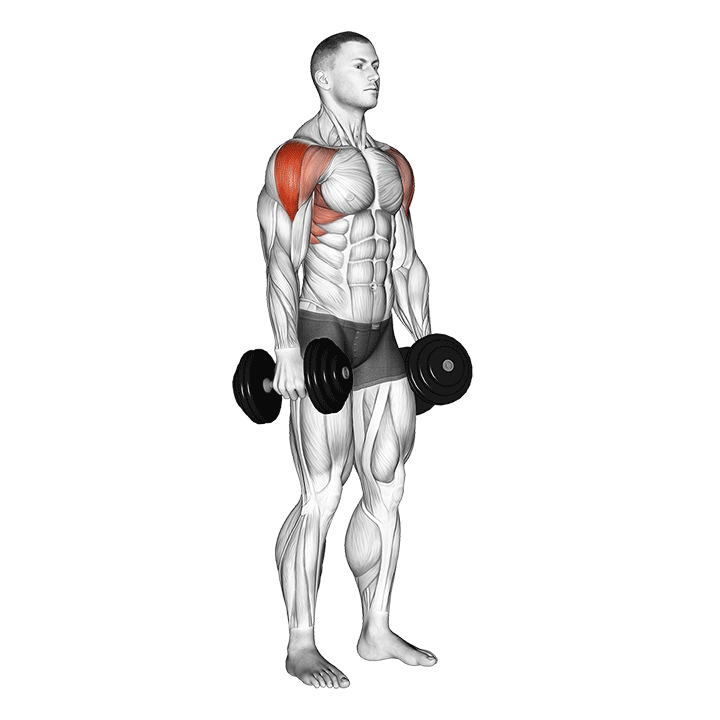
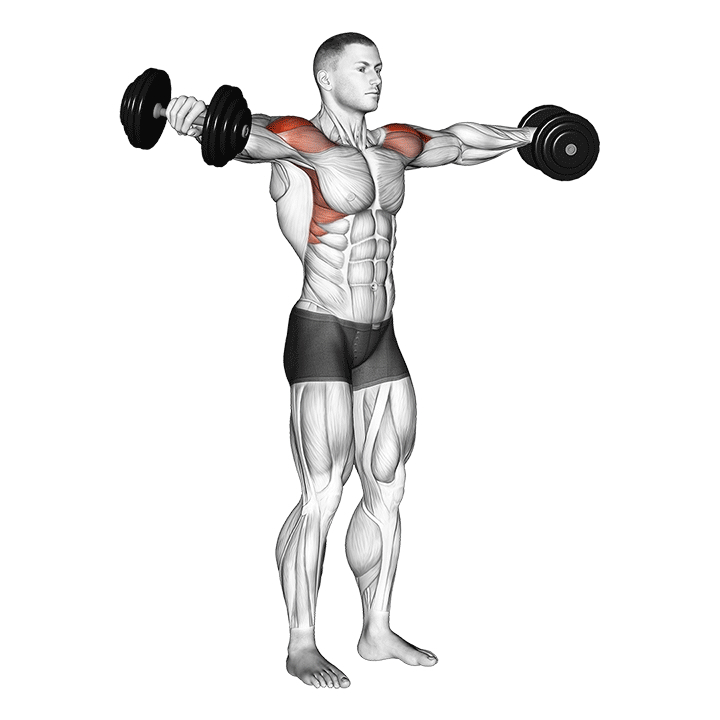
Raise to shoulder height
Lead with elbows
Squeeze side delts at top
Control descent
Slight elbow bend throughout
No momentum
Raising too high above shoulders
Using momentum or swinging


3–4 sets × 12–15 reps (50–70% 1RM, RPE 6–7)
3–4 sets × 10–12 reps (60–75% 1RM, RPE 6–8)
2–3 sets × 15–20 reps (30–50% 1RM, RPE 5–7)
Raise to shoulder height
Lead with elbows
Squeeze side delts at top
Control descent
Slight elbow bend throughout
No momentum
Raising too high above shoulders
Using momentum or swinging
Not leading with elbows
Shrugging shoulders
Going too fast
Using too much weight
Not leading with elbows
Shrugging shoulders
Going too fast
Using too much weight
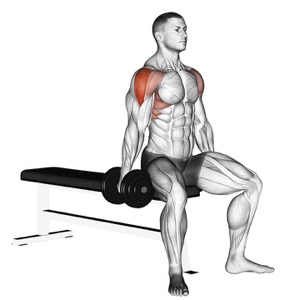
The seated dumbbell lateral raise is an isolation exercise that targets the medial deltoid. The seated position eliminates lower body momentum and ensures strict form, making it excellent for building shoulder width and definition.
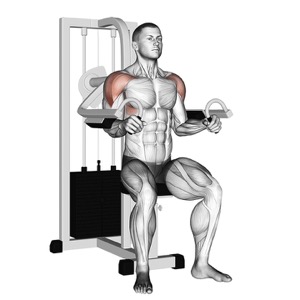
The machine lateral raise is an isolation exercise that targets the medial deltoid with a fixed movement path. This machine variation eliminates momentum and provides constant tension, making it excellent for building shoulder width and definition.
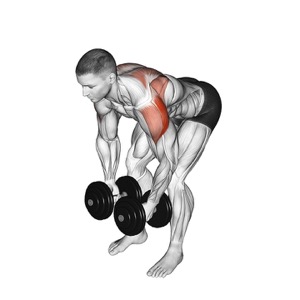
The bent over dumbbell lateral raise isolates the rear delts while recruiting the mid-back to stabilize. Use light-to-moderate loads and strict control to keep tension where it belongs.
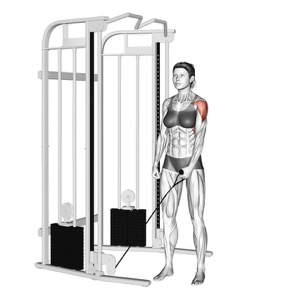
The single arm cable lateral raise is an isolation exercise that targets the medial deltoid with constant cable tension. The unilateral movement corrects imbalances and provides consistent resistance, making it excellent for shoulder width and definition.
The seated dumbbell lateral raise is an isolation exercise that targets the medial deltoid. The seated position eliminates lower body momentum and ensures strict form, making it excellent for building shoulder width and definition.
The machine lateral raise is an isolation exercise that targets the medial deltoid with a fixed movement path. This machine variation eliminates momentum and provides constant tension, making it excellent for building shoulder width and definition.
The bent over dumbbell lateral raise isolates the rear delts while recruiting the mid-back to stabilize. Use light-to-moderate loads and strict control to keep tension where it belongs.
The single arm cable lateral raise is an isolation exercise that targets the medial deltoid with constant cable tension. The unilateral movement corrects imbalances and provides consistent resistance, making it excellent for shoulder width and definition.