2–4 sets × 12–20 reps (30–50% 1RM, RPE 5–7)
2–4 sets × 8–12 reps (60–75% 1RM, RPE 6–8)
2–3 sets × 15–25 reps (20–40% 1RM, RPE 5–6)
Use light load and slow tempo—quality over weight.
Elbow stays pinned; shoulder does the rotation.
Keep wrist neutral and avoid twisting the torso.
Stop before pain or pinching.
Think “smooth control,” not range at any cost.
Maintain control and proper form throughout.
Letting the elbow drift away from the ribs.
Using heavy weight and rushing reps.
Rotating the whole torso instead of the shoulder.
Shrugging and tensing the neck.
Forcing range into discomfort.
Using momentum instead of controlled movement.
Using heavy weight and rushing reps.
Rotating the whole torso instead of the shoulder.
Shrugging and tensing the neck.
Forcing range into discomfort.
Using momentum instead of controlled movement.
The dumbbell shoulder external rotation targets the rotator cuff muscles, particularly the infraspinatus and teres minor. This exercise is crucial for shoulder stability and injury prevention.
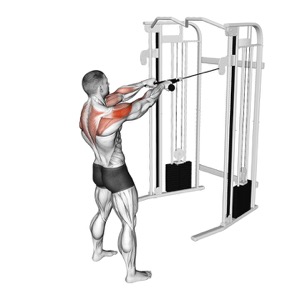
Cable face pulls train the rear delts, external rotators, and upper back. Done correctly, they can support shoulder health and posture by reinforcing strong scapular retraction and upward rotation control.
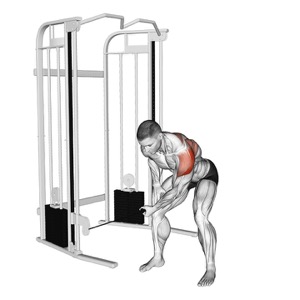
The single arm cable rear delt raise is an isolation exercise that targets the posterior deltoid. The cable provides constant tension and is excellent for rear delt development.